Every house has that one room. Arctic in January, a sauna comes in July, and the thermostat might as well be decorative. Meanwhile, the energy bill climbs, your HVAC grinding away to fix what it just can’t. The real problem? It’s tucked inside the walls. Missing insulation, or insulation that quit years ago.
Batt insulation is the straightforward fix. Reliable, affordable, proven. For New Jersey homes and businesses, it cuts the waste and cranks up the comfort, both at once.
What It Is and Why It Pays Off
No mystery here. It’s one of the oldest, most trusted tricks in the whole building trade, and it still works beautifully.
The Basics, Quickly
Batt Insulation in NJ
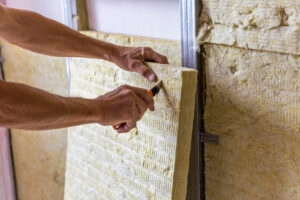
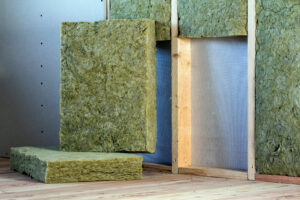
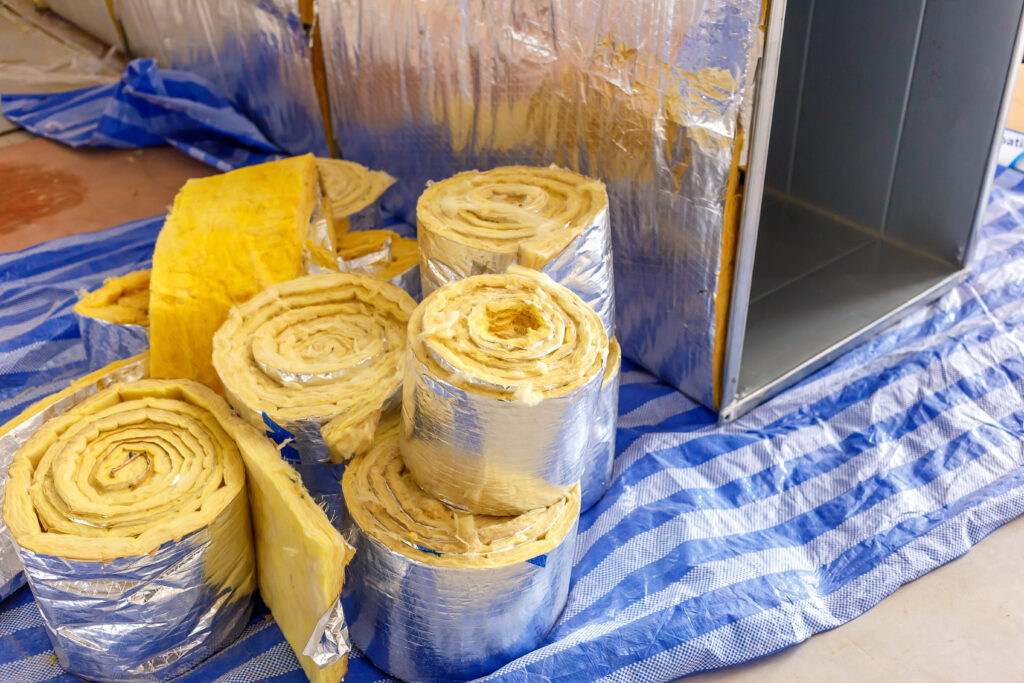
Batt insulation is pre-cut panels, sometimes long rolls. Fiberglass, usually, or dense mineral wool. They slot between the studs, joists, and rafters, building one unbroken thermal barrier. That barrier slows the flow of heat, keeping warmth in winter and heat locked out in summer. Every batt’s got an R-value, the score for how well it fights heat flow. Higher numbers, better performance. It’s the quiet workhorse behind every comfortable, efficient building.
What You Actually Get
Insulation isn’t just about an even temperature. Not even close. The real return shows up in three or four totally different places all at once.
On the Bill and in the Air
The everyday wins:
- Lower energy bills, since less heat bleeds out, and your HVAC system finally gets a break.
- Steady comfort, every room holding its temperature instead of swinging all day wildly.
Safety and Quiet
The ones you don’t really think about:
- Fire resistance, because fiberglass and mineral wool don’t feed an open flame.
- Noise reduction: a real buffer against outside traffic and footsteps upstairs.
Stack all those up, and the value’s pretty obvious. For a business, the savings only multiply: a well-insulated space costs far less to run and feels noticeably better for staff and customers.
Where It Goes and Who Installs It
Batt insulation is flexible. Anywhere there’s an open, standard-framed cavity, it fits right in. New build or retrofit, it doesn’t matter either way.
The usual spots? Walls, inside and out, for warmth and quiet both. Attics and ceilings, where most of the heat makes its big escape upward. Floors and basements, killing off the chill from below. And commercial buildings: offices, warehouses, and shops. From one freezing bedroom to a whole commercial space, the right install changes things fast. Pair it with proper air sealing, and the results get even better, since the two work hand in hand. Curious about batt insulation for your own place? It’s genuinely worth a look.
Why a Pro Beats a Weekend Job
It looks easy. It really isn’t. One sloppy move, a few gaps, a compressed batt, the wrong R-value, and the whole thing loses half its punch.
A pro packs it tight and complete. No gaps. Proper vapor barriers. The exact R-value our New Jersey winters and muggy summers actually demand. They know the codes too, and the awkward corners nobody else wants to deal with. That precision is what turns plain insulation into actual savings on the bill, and the U.S. Department of Energy hammers home the importance of proper installation for that very reason. Bonus: the upgrade might even land you a federal tax credit. Done right, batt insulation pays you back month after month. Ready to stop heating the great outdoors? Call DJG Insulation for a free estimate.
Frequently Asked Questions
Batt, spray foam, or blown-in, what’s the difference?
Batt’s pre-cut panels that drop neatly between framing, perfect for open walls, attics, ceilings, and new construction. Spray foam expands and seals up every little gap and air leak. Blown-in packs tightly into the weird, irregular, hard-to-reach cavities. Each one’s got its own place and its own genuine strengths on a job. Which fits you? Comes down to the space, your goals, and your budget. A good pro sorts it all out in one quick visit to your place.
What R-value do I need in New Jersey?
Depends entirely on where it’s going. Attics want a whole lot more than walls do, and Jersey’s climate swings hard, freezing winters and sticky, humid summers, so you genuinely need real, solid coverage. Don’t ever guess at it. An on-site assessment nails down the right R-value for every single part of the house, so nothing’s left under-insulated or quietly wasting your hard-earned money.
Can I add batt insulation to an existing building?
Often, yeah. Especially the easy-access spots, the attics, the basements, and the crawl spaces. Open walls mid-renovation or addition? Totally ideal for it. For finished walls that are already closed up tight, blown-in cellulose usually makes far more sense than tearing them wide open. A quick look at the place tells you the smartest, most cost-effective route to take, no guesswork involved.
Does batt insulation actually cut noise?
It does. Mineral wool, especially, dampens sound from room to room, floor to floor, and from the busy street right outside. Won’t turn the place into a recording studio all on its own, but the drop in everyday noise is very real and very welcome. Want true, serious soundproofing? Ask about the specialized stuff built just for it. Contact us, and we’ll happily talk through whatever fits your space.