Energy bills continue to rise every day. Due to this, individuals are always looking for ways to minimize their spending. One way to go about this is to do some upgrades. The reasoning behind this is that insulation deteriorates over time. This leads to inefficiencies and hence higher energy consumption. Since you don’t want this, it makes sense to do the needed updates.
When looking to do this, two main areas to consider are the attic and the walls. Each of the two plays its own unique role. Therefore, making the decision on which to upgrade first can be quite challenging.
This article helps you with this hurdle by explaining different factors you need to consider.
Attic Insulation
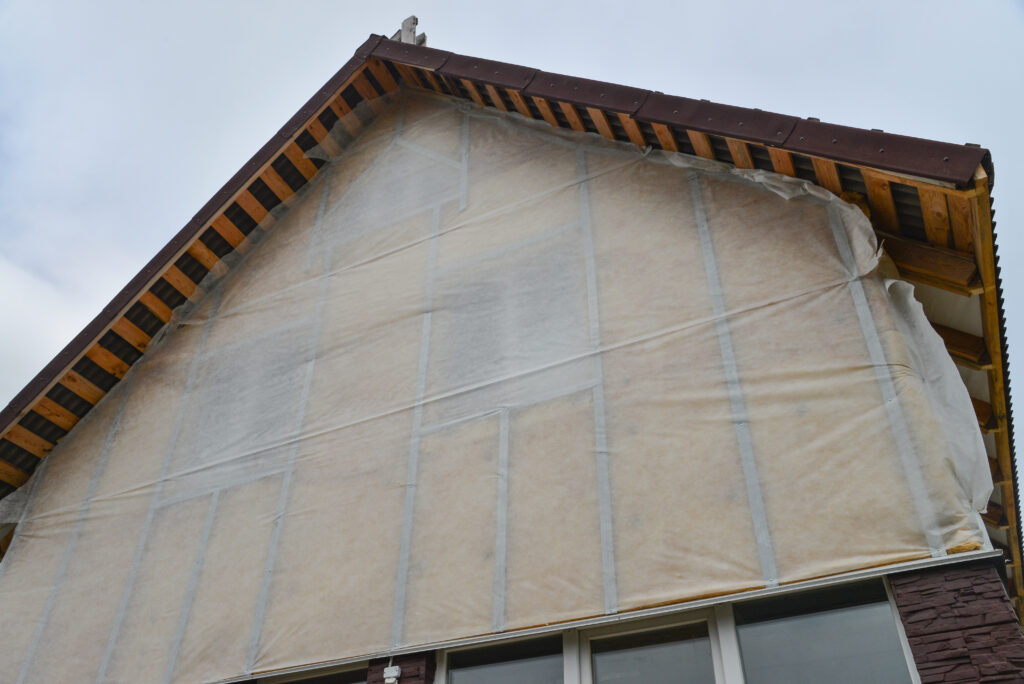
Attic Warming With Mineral Wool.
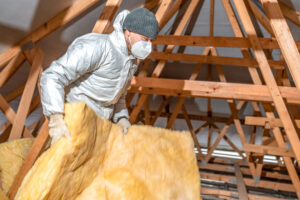
If you are looking to improve energy efficiency, first look at the attic. This is because warm air naturally rises. Due to this, you shouldn’t have a poorly protected attic. This is because it can lead to significant heat loss. This is most likely to happen during winter. On the other hand, you should expect unwanted heat gain in summer.
Upgrading the attic is quite straightforward. It’s also less invasive. This is compared to wall insulation. This makes it a cost-effective starting point. It can also have an instant effect on your energy bills. This is by helping your heating and cooling system work more efficiently.
Wall Insulation
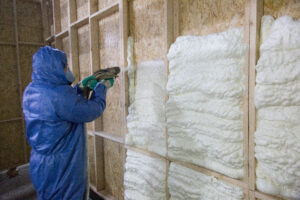
It reduces heat transfer via your home’s exterior walls. This maintains consistent indoor temperatures. This is quite different from updating the attic. This is because protecting the attic prevents heat from escaping upward. With wall insulation, you get a barrier against heat loss in winter. The opposite happens in summer, where unwanted heat gain is prevented.
This improves overall indoor comfort. It also minimizes how hard your heating and cooling systems have to work. Despite these benefits, upgrading the walls can be complex. However, it can be quite beneficial. This is especially true in older homes with little or no insulation.
Factors to Consider
If you are wondering which to upgrade first, there are several factors you need to weigh in. These are crucial before you make a final decision. This part of the article looks at exactly that.
Cost and Complexity of Installation
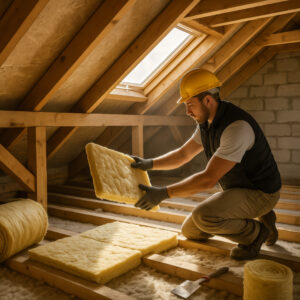
Attic insulation is affordable and easier to install. It usually entails laying batts or blowing in loose-fill insulation. This is all without causing major disruptions to the home. On the other hand, working on the wall can be quite complex. This is especially true in older homes. The process entails drilling holes in the walls and removing drywall. It can also include taking off siding. This is so as to access wall cavities. These activities can be extremely labor-intensive.
Therefore, when considering cost and complexity, your best bet might be attic insulation. It is less invasive. On top of this, it provides a strong return on investment. It’s therefore a more practical starting point.
Energy Impact
Up to 25% of a home’s heat can escape through the roof. With this in mind, you need to go for attic insulation. This is because it will offer immediate and noticeable reductions in energy costs. Despite this, poorly protected walls can also account for a significant portion of energy loss. This is especially true in older homes without modern standards.
You should therefore not ignore wall sealing altogether. In the summer, a poorly sealed wall can allow excessive heat to enter. This could force your cooling system to work harder. In winter, valuable heat can escape through the wall. This makes it harder to achieve comfortable living standards.
Both are hence crucial in ensuring better energy efficiency and long-term cost savings.
Call in Professionals to Evaluate Existing Insulation Levels
To ensure you make the best possible decision, consider reaching out to experts for assistance. Professionals can assess the current condition and effectiveness of your thermal barrier. They can identify areas where it’s needed. This evaluation helps you know the parts of your home contributing the most energy loss. This helps you prioritize upgrades that will deliver the best comfort and energy savings.
Insulation does a great job of enhancing energy efficiency and comfort. Depending on your preferences, you can decide to first upgrade the attic or the walls. Regardless of your decision, you can be sure that a thermal barrier will help create a more consistent indoor environment. This is by minimizing drafts. It also prevents both unwanted heat loss and gain.
Investing in a proper barrier also increases your home’s overall value. It also contributes to a smaller carbon footprint. The right enhancements ensure you get the most benefit for your investment.