Most NJ homeowners only notice their insulation when something goes wrong. No can do, mister. A room that stays cold no matter how high you set the heat, a utility bill that climbs every winter, a musty smell coming from the attic that never quite disappears. These are not random inconveniences. These are direct signs that old insulation has failed and needs insulation removal.
New Jersey’s humid summers and cold winters are punching bags for home insulation. Over time, temperature inconsistency, pest infestation, moisture damage, and outdated materials all degrade insulation beyond recovery. At that point, professional insulation removal is the only choice left.
What Is Insulation Removal?
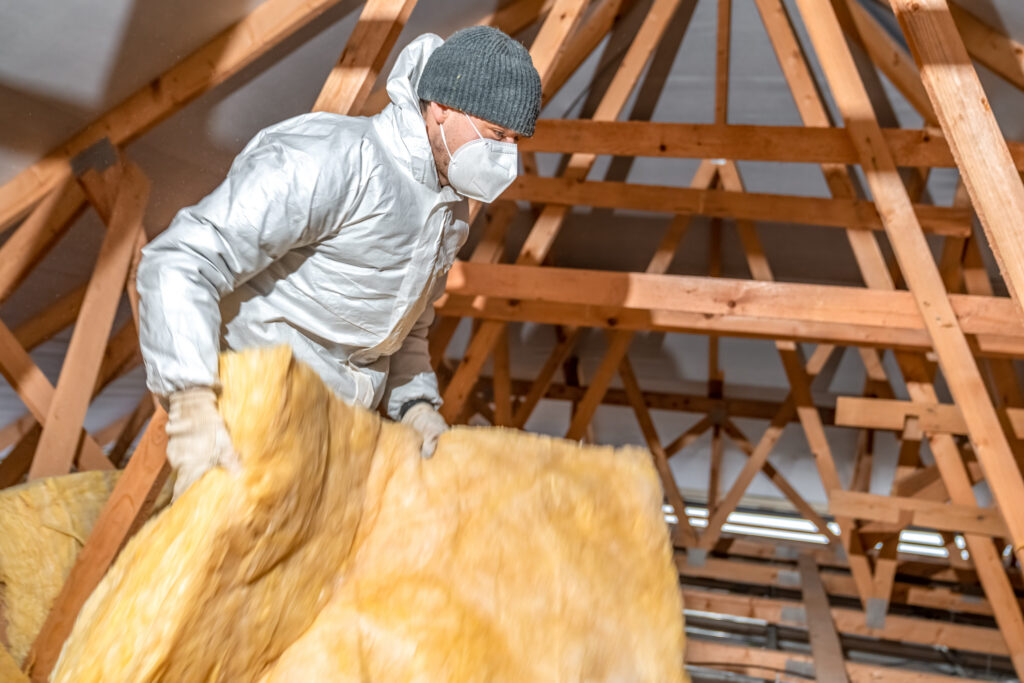
Replace The Old Insulation To Ensure Efficiency!
Insulation removal is the absolutely complete extraction of degraded, contaminated, or outdated insulation material from a home. Insulation removal is a separate process from simply adding new layers on top of old material. Layering over damaged insulation is very bad, as it traps contaminants, reduces thermal resistance, and fails to restore proper energy efficiency. Home insulation functions by resisting the transfer of heat. When the material breaks down, that thermal resistance drops, and home comfort suffers directly. Your best bet is professional insulation removal because safe extraction requires specialized equipment and proper handling of hazardous debris.
What Are the Signs That Old Insulation Needs Replacing?
The signs that old insulation needs replacing are given as follows.
Persistent Temperature Inconsistencies
Bad insulation allows air infiltration through walls, attics, and crawl spaces, so you get uneven room temperatures across different floors or areas of the home. You can add new insulation over damaged material, sure, but it is a temporary measure at best. Full insulation removal and replacement is the right solution, believe it or not.
Pest Infestation
Rodents and insects are everywhere, and they make nests inside insulation material. They cause structural damage and release nasty droppings and urine into the indoor air supply. This kind of dirty insulation has some heavy health hazards. Complete insulation removal eliminates the contamination and the conditions that attract pests.
Increasing Utility Bills
Rising electricity costs are something you should never overlook and are often caused by compressed or old insulation. Degraded insulation loses its R-value, meaning the heating and cooling systems work harder, so the energy usage rises. Old insulation removal will help your HVAC work more easily and increase its lifespan as well.
Water Damage and Wet Insulation
Moisture from roof leaks, plumbing failures, or poor ventilation saturates the insulation. Wet insulation loses all thermal resistance, and mold starts growing happily there. Urgent removal of old insulation does not allow structural damage to your house.
Fire or Smoke Damage
Insulation exposed to fire or smoke absorbs toxic residues that degrade both air quality and insulation performance. After any fire event, even a minor one, you need fresh insulation.
What Types of Insulation Are Removed in NJ Homes?
The types of insulation removed in NJ homes include blown-in, fiberglass batt, spray foam, and cellulose. Each material requires a different removal technique. Knowing the type present in a home tells the equipment needed and safety protocols to be used.
1. Blown-In Insulation
Blown-in insulation consists of loose-fill material like cellulose or fiberglass that is distributed across attic floors. High-powered industrial vacuums extract the material safely and contain the debris during removal.
2. Fiberglass Batt Insulation
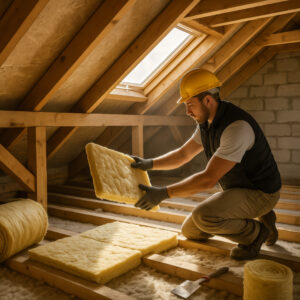
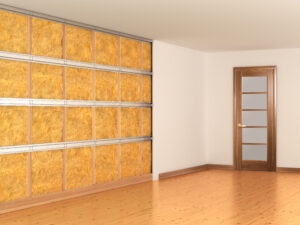
Fiberglass batt insulation sits between wall studs and floor joists as pre-cut panels. Removal of fiberglass batt insulation requires full PPE because fiberglass particles cause severe respiratory irritation when inhaled.
3. Spray Foam Insulation
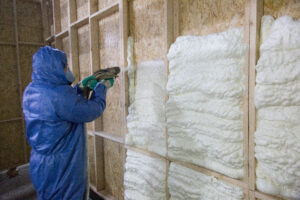
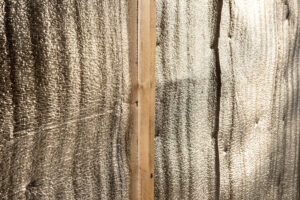
Spray foam adheres directly to structural surfaces and does not release like loose-fill material. Specialized cutting and scraping tools remove spray foam without causing structural damage to the substrate.
4. Cellulose Insulation
Cellulose insulation is made from recycled paper-based material. Moisture absorption over time compresses the material, reduces R-value, and gives a boost to mold. Get this insulation removed if you want your insulation system to perform at full capacity.
When Should You Replace Insulation in NJ?
Insulation replacement is very, very important when the material is older than 15 to 20 years. Pest infestation, water damage, or fire and smoke exposure means instant replacement. New Jersey homeowners in properties built before the 1980s face the highest risk from old insulation. Pre-1980s insulation frequently contains outdated materials that fail current energy codes and can be serious problems for health. An energy audit determines the specific replacement need and identifies areas with the most significant energy loss.
Is Old Insulation in NJ a Health Risk?
Yes, old insulation in NJ is a health risk because degraded materials contain asbestos, mold spores, pest waste, and fiberglass microparticles. Homes built before the 1980s have higher chances of asbestos insulation. Asbestos fibers cause lung disease, and mold causes respiratory problems. Assessment and removal of insulation from a professional company like DJG Insulation LLC are the correct responses to any suspected contamination.
How Often Should Insulation Be Replaced in NJ?
Insulation in NJ homes is replaced every 15 to 20 years under normal conditions, or sooner in the presence of moisture intrusion, infestation, fire damage, or visible mold. These triggers demand immediate action regardless of the age of the insulation. Annual inspections are recommended for older NJ properties to catch early-stage degradation.
Does Insulation Removal Improve Energy Bills in NJ?
Yes, insulation removal followed by modern replacement improves energy bills in NJ because new high-performance materials restore proper thermal resistance. Degraded insulation puts a lot of pressure on heating and cooling systems to run longer cycles, which increases energy costs. New Jersey homeowners who complete professional removal and replacement see measurable reductions in heating and cooling costs. The R-value of modern insulation materials greatly exceeds that of aged, compressed, or moisture-damaged alternatives.