As a homeowner in New Jersey, you definitely want to have a comfortable and energy-efficient home year-round. When it comes to ensuring this, nothing does it better than having the right insulation. But, how do you know the one that will deliver the best results for your home?
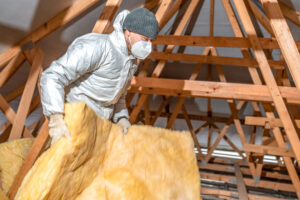
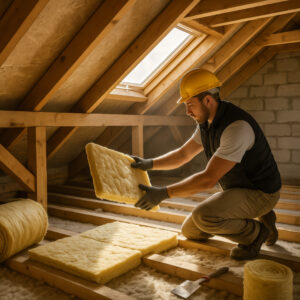
Spray foam and fiberglass are two of the most common choices to choose from. Each has its own benefits and considerations. Therefore, it’s important that you evaluate these factors. This is the only way to select the best possible solution for your home.
This article gives a comparison between the two. With this information, you should be able to make an informed decision that protects both your comfort and wallet.
Energy Efficiency and R-Value
Spray Foam Insulation NJ
You need to go for materials with a high R-value. This is because they offer better insulation. They are hence able to keep your home warm in winter and cool in summer. This goes a long way in reducing your overall energy bills.
Spray foam insulation usually offers a higher R-value. This means that it’s able to provide superior thermal performance compared to fiberglass. Due to this, spray foam is a great material for use in New Jersey homes. This is especially true when you think about the seasonal temperature shifts experienced here.
Therefore, go for high R-value materials. By doing this, you are able to enjoy long-term comfort and savings.
Air Sealing and Moisture Control
Proper air sealing prevents drafts. It also reduces the infiltration of outside air. With a material that’s able to offer this, you get to experience lower energy bills and even indoor temperatures. At the same time, moisture control is key. This is due to the fact that it prevents issues like mold growth and structural damage.
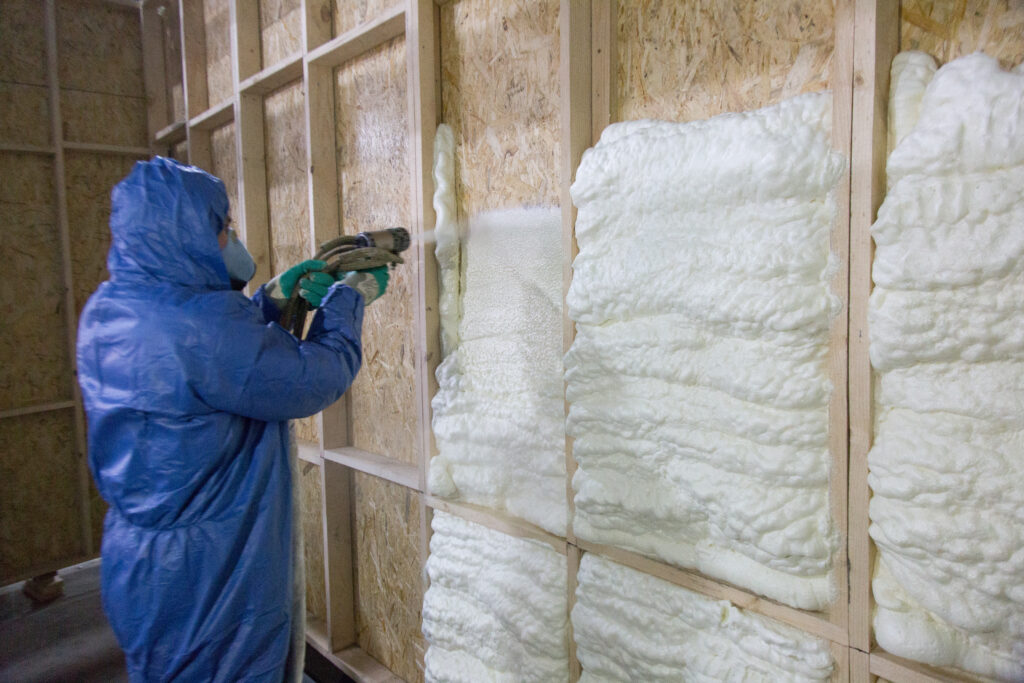
Spray foam excels in both areas quite well. How, you may ask? It’s able to expand to fill gaps and cracks. Through this, it creates an airtight barrier that also restricts moisture penetration.
On the other hand, fiberglass is not able to inherently seal air leaks or block moisture. This makes it less effective when it comes to preventing humidity-related issues.
Installation and Cost
Spray foam is more complex and expensive to install. It requires professional installation. This is because the chemicals must be mixed and sprayed correctly. This is the only way to expand and seal all available gaps. Doing this goes a long way in ensuring maximum energy efficiency. The kind of professional installation required adds to the overall costs. This makes it way pricier than other options. However, its superior air sealing capability offers long-term cost savings.
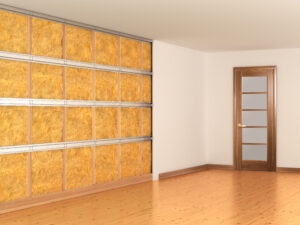
In contrast, fiberglass is easier and quicker to install. Due to this, it requires a smaller upfront budget. Despite this, it doesn’t provide the same kind of air sealing. This means fewer long-term energy savings.
Durability and Longevity
Spray foam creates a dense and seamless barrier. Through this, it’s able to resist settling, sagging, and moisture infiltration. The good thing about it is that its insulating properties are able to remain effective for decades.
On the other hand, fiberglass can compress over time and lose its R-value. It can also end up becoming exposed to mold or mildew. This is especially true when exposed to moisture.
As an NJ homeowner, you need to consider spray foam over fiberglass. This is due to the fact that it’s able to offer a long-term solution that maintains energy efficiency and structural protection. Such benefits come in handy in New Jersey, where you are constantly dealing with humid summers and variable winters.
Environmental Impact and Health Considerations
As aforementioned, spray foam is highly effective at sealing air leaks. However, it’s made of chemicals that can release volatile organic compounds (VOCs) during installation. The problem here is that it can end up causing temporary respiratory irritation or discomfort. This is especially true if proper precautions aren’t taken.
In contrast to this, fiberglass is made from natural or recycled glass materials. It hence contains far fewer harmful chemicals. However, it has some tiny fibers, which can irritate the skin, eyes, and lungs during installation.
From an environmental standpoint, spray foam is more difficult to recycle. This is because it has a higher embodied energy. On the other hand, fiberglass often contains recycled content. Due to this, it has a smaller overall ecological footprint.
Choosing the right insulation between spray foam and fiberglass will eventually depend on your priorities, budget, and long-term goals. Need help deciding? Consider reaching out to us. At DJG Insulation, we can help you make an informed decision. Through our efforts, we can enhance your home’s energy performance and ensure lasting comfort for many years to come.