Most homeowners in New Jersey never think about what’s happening under their feet. The crawl space sits there, out of sight, collecting humidity, growing mold, and quietly damaging the structure of the home. I am amazed how sometimes people don’t notice this for years.
Crawl space encapsulation is the most effective solution available for many problems you don’t even want to know about. It seals the space completely, controls moisture at the source, and protects everything above it. I can confidently say it is one of the smarter investments you can make in the long-term health of your home.
Here’s what you need to understand about why moisture builds up, what encapsulation actually does, and why doing it right is important.
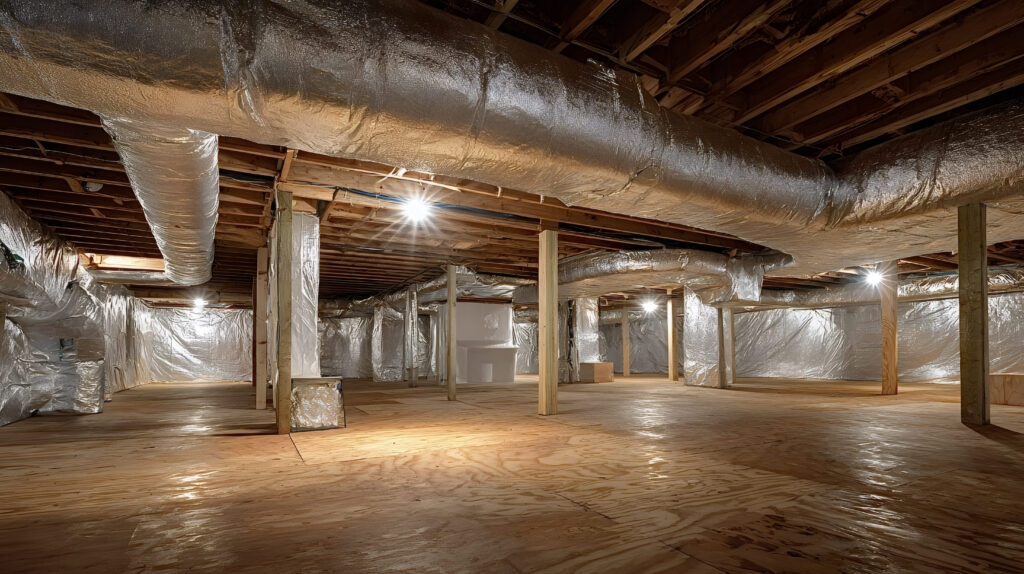
Crawl Space Encapsulation Benefits
Why Are New Jersey Crawl Spaces So Vulnerable to Moisture?
New Jersey’s climate creates near-perfect conditions for crawl space moisture problems. Humid summers send warm, wet air into any gap or vent it can find. The soil around most of the state has clay and holds water longer after rain. So the ground under your home stays wet much longer than sandy or loamy soil.
The science is simple. Warm, humid air enters the crawl space through open vents or foundation gaps. When it contacts cooler surfaces like concrete walls or wood floor joists, it condenses. There, it creates exactly the conditions that mold, rot, and pests need to establish themselves.
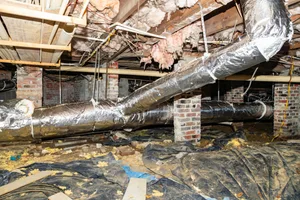
If your crawl space has a bare dirt floor, the problem compounds. Soil releases moisture continuously through evaporation, especially after rain. That moisture has nowhere to go except upward into the space above.
The lesson: by the time you notice the problem above the floor, the damage below it has usually been accumulating for years.
What Crawl Space Encapsulation Actually Involves?
Properly sealing the crawl is not just laying plastic sheeting on a dirt floor. A properly installed system addresses moisture from every angle that includes the ground, the walls, the vents, and the air inside the space itself.
The first step is a thorough inspection and cleaning. Any standing water gets removed. If mold is present, it gets remediated before sealing.
The vapor barrier goes down next. This is a heavy-duty polyethylene liner, typically 20 mil thickness for professional installations, that covers the entire crawl space floor and runs up the walls, wrapping around any support piers or columns.
Crawl space vents get sealed, and a crawl space dehumidifier is installed. A properly sized, energy-efficient dehumidifier maintains humidity below 55 percent. This is the threshold above which mold can grow. At the end, a sump pump completes the system.
What Sealing Your Crawl Space Actually Does for Your Home?
The benefits of sealing your crawl space for your home are explained below.
- Air quality improves noticeably. Research and homeowner reports consistently show this. Up to 40 percent of the air in your living space originated in your crawl space and worked its way up through gaps in the floor. Mold spores, dust mites, soil gases, and allergens travel the same path. Sealing the crawl space stops that migration at the source.
- Energy bills drop. The U.S. Department of Energy estimates that sealing and insulating a crawl space can reduce heating and cooling costs by 15 to 20 percent. In winter, cold air infiltrating through an open crawl space makes floors cold and forces your heating system to work harder. In summer, humid air adds moisture load to your HVAC. A sealed, insulated crawl space reduces both problems.
- Structural wood stays protected. Wood floor joists and subfloor panels have a moisture tolerance. Exceed it consistently over time and the wood begins to soften, warp, and decay. Mold accelerates the process. Keeping crawl space humidity below 55 percent preserves the structural integrity of your floor system for decades longer than an unsealed space would.
- Pests lose their entry point. Termites, rodents, and insects are drawn to moisture. They’re also drawn to the food sources moisture enables, rotting wood, and damp insulation. Sealing the crawl space removes the moisture attraction and closes off the unsealed gaps and vents those pests use as entry points.
- Home value holds up better. Real estate inspectors and buyers flag crawl space moisture issues because they signal structural risk and ongoing maintenance needs. A professionally encapsulated crawl space, backed by documentation and a warranty, tells a different story. It signals that the home has been maintained proactively.
Common Signs Your NJ Crawl Space Needs Attention Now
If you’re not sure whether your crawl space already has a moisture problem, these are the indicators that warrant a professional inspection.
- A persistent musty smell anywhere in the house, especially on the ground floor, is one of the clearest signs. Musty odor is the smell of active mold or mildew, and it rarely comes from above the floor.
- Floors that feel spongy, soft, or uneven in localized spots suggest that the subfloor or joists underneath have absorbed enough moisture to begin weakening.
- High energy bills, particularly in summer and winter, that don’t correspond to changes in usage often mean crawl space air infiltration.
- Visible condensation on windows in winter, combined with high indoor humidity, can indicate that your crawl space humidity is raising the whole home’s moisture.
- Any visible mold on baseboards, in closets near exterior walls, or under carpeting near the edges of a room on the ground floor suggests moisture is already working its way up.
- If you’ve seen any of these signs, a crawl space inspection should happen before winter or before another humid summer arrives.
Final Thoughts: A Dry Crawl Space Protects Everything Above It
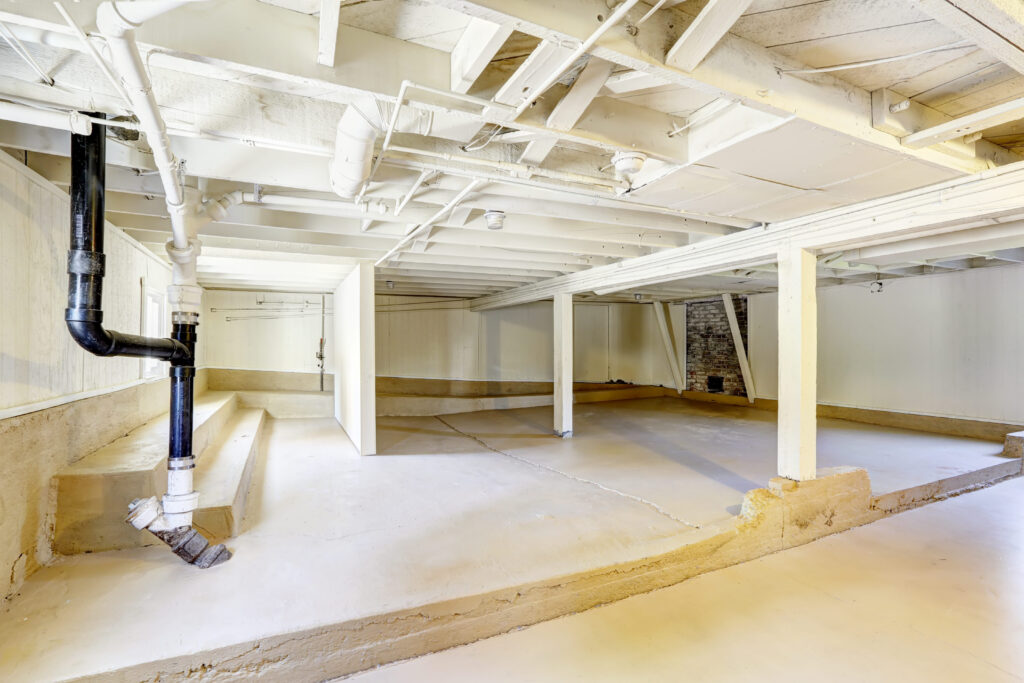
Moisture Control by Crawl Space Encapsulation
Most homeowners rarely see their crawl space. However, what happens there affects indoor air quality, structural stability, energy costs, and the long-term value of the home. Leaving the crawl space unsealed increases the risk of moisture problems in New Jersey’s climate. Over time, the damage develops quietly and often becomes expensive to repair.
Encapsulation must be done correctly. It will solve the problem at the source. It’s one of the most protective investments a NJ homeowner can make, and it pays returns in multiple directions over the life of the home.
Protect Your Home From the Ground Up
DJG Insulation LLC works with New Jersey homeowners to evaluate crawl space conditions and recommend the right moisture control approach. We install encapsulation systems built to last.
Contact DJG Insulation LLC to schedule your crawl space assessment and get a simple plan for protecting your home from moisture damage.
FAQ
How long does a professionally installed encapsulation system last?
Most systems last 20 years or more when built with good materials and maintained regularly. A yearly inspection of things like vapor barriers, dehumidifiers, and sump pumps keeps everything working well and properly.
Can I install a vapor barrier myself and skip the professional system?
A DIY vapor barrier fixes only one part of the problem. Without sealed vents, tight seams, and proper humidity control, moisture can get trapped between the liner and the walls. Over time, the seams can also come loose. Professional installation covers the whole moisture system, which helps prevent these problems.
Will encapsulation solve an active water intrusion problem?
Not on its own. If groundwater enters the crawl space during heavy rain, drainage work must be completed before or alongside encapsulation. Sealing a crawl space with active water entry without addressing the drainage source creates a larger problem.